Picking your first tortoise is a big decision because these animals live for decades. Some will outlive you. Choosing the wrong species can mean ending up with a 150-pound animal you can’t house, or a tropical species that keeps getting sick in your dry climate. I’ve kept tortoises for years, and here’s my honest take on the five most common beginner species.
If you’re still deciding whether a tortoise is right for you at all, start with our introduction to tortoises as pets.
Top 5 beginner tortoise species compared
| Species | Adult size | Lifespan | Diet | Humidity needs | Temperament | Cost (hatchling) |
|---|---|---|---|---|---|---|
| Russian | 6 – 10 inches | 40 – 60 years | Herbivore (weeds, greens) | Low to moderate (40-60%) | Active, feisty, personable | $80 – $150 |
| Hermann’s | 6 – 8 inches (Western), 8 – 12 inches (Eastern) | 50 – 75 years | Herbivore (weeds, greens) | Moderate (50-70%) | Gentle, curious | $150 – $300 |
| Greek | 5 – 8 inches | 50 – 100+ years | Herbivore (weeds, greens) | Low to moderate (40-60%) | Calm, docile | $100 – $250 |
| Red-footed | 10 – 14 inches | 30 – 50 years | Omnivore (greens, fruit, protein) | High (70-80%) | Social, outgoing | $150 – $350 |
| Sulcata | 24 – 30 inches, 100-150 lbs | 70 – 100+ years | Herbivore (grasses, hay) | Low (30-50%) | Bulldozer energy, friendly | $50 – $100 |
1. Russian tortoise
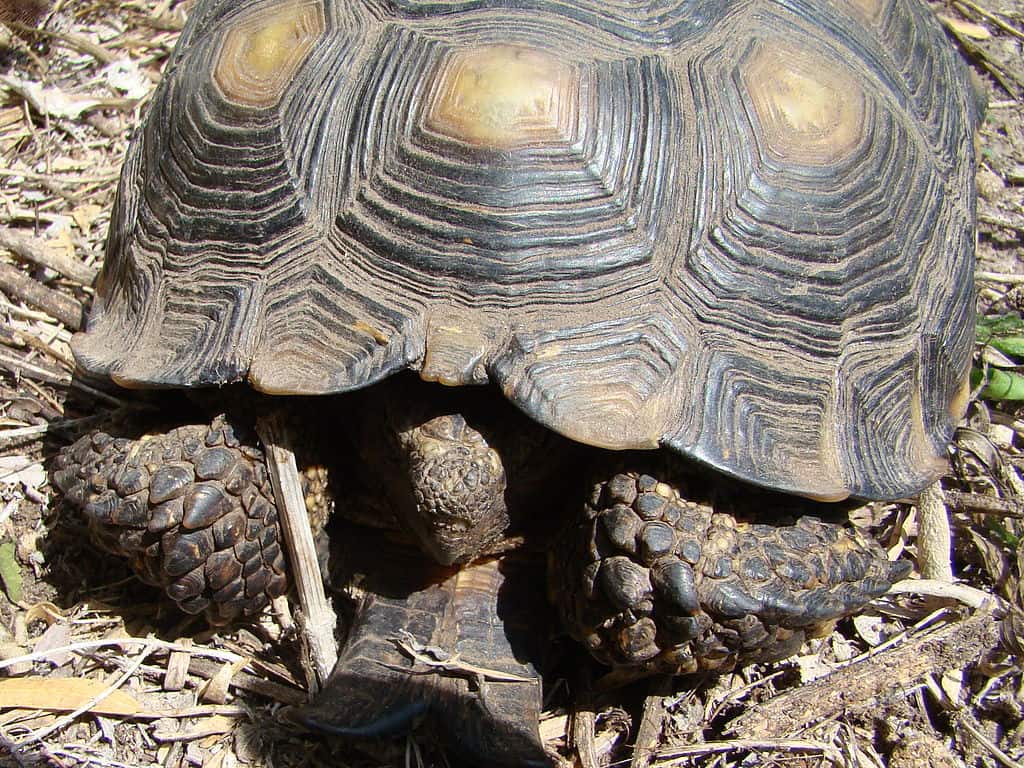
This is my top recommendation for most first-time tortoise owners. Russians are small (maxing out around 8-10 inches for females, 6-8 for males), hardy, and full of personality. They handle temperature fluctuations better than most species and do well in drier climates.
What I like: They’re active and engaging. Unlike some tortoises that just sit around, Russians patrol their enclosure, dig, climb, and come to you when they learn you mean food. They’re also one of the most affordable species to keep long-term because they stay small.
Watch out for: Russians are escape artists. They dig and climb better than you’d expect. Outdoor enclosures need walls buried at least 6-8 inches underground and tall enough that they can’t leverage themselves over. They also brumate (hibernate) in winter if temperatures drop, which can stress new owners who don’t expect it.
Housing: Minimum 8 square feet of floor space for one adult. A tortoise table or large plastic tub works indoors. Outdoors in warm climates is even better during spring and summer. Proper lighting is non-negotiable. Check our Russian tortoise lighting guide for the specifics on UVB and basking setup.
Diet: Weeds and greens. Dandelion, clover, plantain weed, endive, escarole, turnip greens. Avoid iceberg lettuce (no nutritional value) and limit spinach and kale (high in oxalates that bind calcium).
2. Hermann’s tortoise
Hermann’s are probably the best-looking small tortoise species. Their shells have bold yellow and black patterns that stay vivid throughout their lives. There are two subspecies: Western Hermann’s (smaller, 6-8 inches) and Eastern Hermann’s (larger, 8-12 inches).
What I like: They’re gentle and predictable. Hermann’s rarely bite, rarely stress out, and handle regular interaction well. They’re a great family tortoise.
Watch out for: They’re pricier than Russians, especially captive-bred Westerns. They also need moderate humidity (50-70%), which can require some effort to maintain in dry indoor environments. A humid hide box solves this for most setups.
Housing: Similar to Russians. 8 square feet minimum for an adult, with a warm basking spot around 95°F and a cool side around 70-75°F. UVB lighting is required. For indoor setup ideas, see our indoor tortoise enclosure guide.
Diet: Same as Russian, mostly weeds and leafy greens. They should not get fruit (or very rarely, a tiny piece). High-fiber, low-protein, low-sugar.
3. Greek tortoise
Greek tortoises (also called spur-thighed tortoises) are one of the longest-lived small tortoises. Some have been documented living over 100 years. They stay compact at 5-8 inches and are one of the calmest species you can keep.
What I like: Their calm temperament makes them easy to handle. They don’t dig as aggressively as Russians, which means simpler outdoor enclosures. They’re also widely available from breeders.
Watch out for: There are a lot of Greek tortoise subspecies (Ibera, Moroccan, Tunisian, and others), and their care requirements vary somewhat. Ibera Greeks are the most commonly sold and the hardiest for beginners. Wild-caught Greeks sometimes show up in the pet trade and can carry parasites. Always buy captive-bred.
Housing: Same general setup as Russians and Hermann’s. They’re a bit less cold-tolerant, so outdoor keeping only works in warmer climates or during summer months.
Diet: Herbivorous. Dandelion greens, clover, plantain, endive. Very similar to Russian and Hermann’s diets.
4. Red-footed tortoise
Red-foots are the oddball on this list because they’re omnivores. They eat fruit, and they need some animal protein in their diet. They’re also tropical, needing higher humidity than the Mediterranean species above.
What I like: They’re the most social tortoise on this list. Red-foots genuinely seem to enjoy interaction and will follow you around a room. Their red and orange leg markings are really attractive. And the dietary variety makes feeding them more interesting.
Watch out for: Humidity is the big challenge. They need 70-80% humidity consistently, which means investing in a good misting system or a humidifier for indoor enclosures. In dry climates, this can be a constant battle. They’re also bigger than the Mediterranean species, reaching 10-14 inches, so they need more space.
Housing: Minimum 10-12 square feet for an adult. Substrate should hold moisture well (coconut coir works). Basking spot at 90-95°F, ambient around 75-80°F.
Diet: 60% greens and vegetables, 25% fruit (papaya, mango, berries, melon), 15% protein (soaked dog food, boiled egg, pinky mice occasionally). Calcium supplementation 3-4 times per week.
5. Sulcata tortoise (with a big caveat)
I’m including sulcatas because they’re the most commonly sold tortoise species in the US, and they’re cheap. You can buy a hatchling for $50-100. But I need to be honest: most people should not get a sulcata as their first tortoise.
Here’s why: That cute 2-inch hatchling grows into a 100-150 pound animal the size of a small boulder. They grow fast, too. By age 5, they’re often 30-40 pounds. By age 10, they can hit 70-80 pounds. They need outdoor space. A lot of it. We’re talking a large yard with reinforced fencing, heated shelter for cold months, and enough grazing area to keep them occupied.
What I like: Sulcatas have big personalities. They’re friendly, they recognize their owners, and they’re genuinely fun to watch as they bulldoze through their environment. If you have the space, they’re rewarding pets.
Watch out for: Besides the size, sulcatas are powerful diggers and can destroy landscaping, fences, and sprinkler systems. They can’t tolerate cold (below 60°F is dangerous), so in northern climates, you need a heated outbuilding or large indoor setup for winter. Many sulcatas end up in rescues because owners weren’t prepared for the size.
Housing: Hatchlings start in a 4×2 foot enclosure but outgrow it fast. Adults need an outdoor yard, period. There’s no practical indoor enclosure for a 100+ pound tortoise.
Diet: Primarily grasses and hay. Bermuda grass, orchard grass, timothy hay. Some weeds and greens as supplements. No fruit.
What I wish I knew before getting my first tortoise
- The initial setup costs more than the tortoise. A $100 Russian tortoise needs a $200-400 enclosure setup (tortoise table, UVB light, heat lamp, substrate, hides, thermometer, calcium powder). Budget for the setup, not just the animal.
- UVB lighting is not optional. Without UVB, tortoises can’t metabolize calcium properly. This leads to metabolic bone disease, which causes shell deformities, soft bones, and eventually death. A quality UVB bulb needs replacing every 6-12 months even if it still produces visible light, because UVB output declines before the bulb burns out.
- Tortoises need soaking. Most species benefit from a 15-20 minute lukewarm soak 2-3 times per week. This helps with hydration and encourages them to go to the bathroom. Hatchlings should be soaked daily.
- They’re messier than you’d expect. Tortoises poop a lot relative to their size, especially after soaking. Spot cleaning is a daily task.
- Vet visits are expensive. Find an exotic vet that sees reptiles before you need one. A sick tortoise can run up $200-500 in vet bills quickly. Annual fecal exams for parasites are a good idea, especially for the first year.
- Buy captive-bred, not wild-caught. Wild-caught tortoises are stressed, often carry parasites, and may not adapt to captivity well. Captive-bred animals are healthier, calmer, and already eating commercially available foods.
My recommendation
For most people, a Russian or Hermann’s tortoise is the best starting point. They stay small, tolerate a range of conditions, eat readily available foods, and have big enough personalities to be genuinely engaging pets. If you live in a humid climate or want something a bit different, a red-foot is a great option too.
Skip the sulcata unless you own property, live in a warm climate, and are genuinely prepared for a 100-pound animal that lives for a century. They’re wonderful tortoises in the right situation, but that situation doesn’t apply to most first-time owners.
A quality tortoise starter kit with proper lighting and heating will set your new pet up for a healthy start.
If you think your pet is ill, call a vet immediately. All health-related questions should be referred to your veterinarian. They can examine your pet, understand its health history, and make well informed recommendations for your pet.
903pets.com Staff