Bananas are one of those foods that seem like they’d be perfect for hamsters. Soft, easy to eat, and most hamsters go absolutely nuts for them. But just because your hamster loves something doesn’t mean you should give them a lot of it. Here’s what you need to know.
- Can hamsters eat bananas?
- How much banana to give your hamster
- How to prepare banana for your hamster
- Can hamsters eat dried banana chips?
- Complete safe fruit list for hamsters
- Fruits to avoid
- Common mistakes with feeding fruit
- Signs your hamster ate too much fruit
- What I wish I knew about hamster treats
Can hamsters eat bananas?
Yes. Bananas are safe for hamsters and non-toxic. The concern isn’t toxicity, it’s sugar content. A medium banana has about 14 grams of sugar. For a tiny animal that weighs 30-40 grams (dwarf) or 120-150 grams (Syrian), that’s a lot of sugar relative to body weight.
For a full breakdown of what your hamster should and shouldn’t eat, check out our complete hamster diet guide.
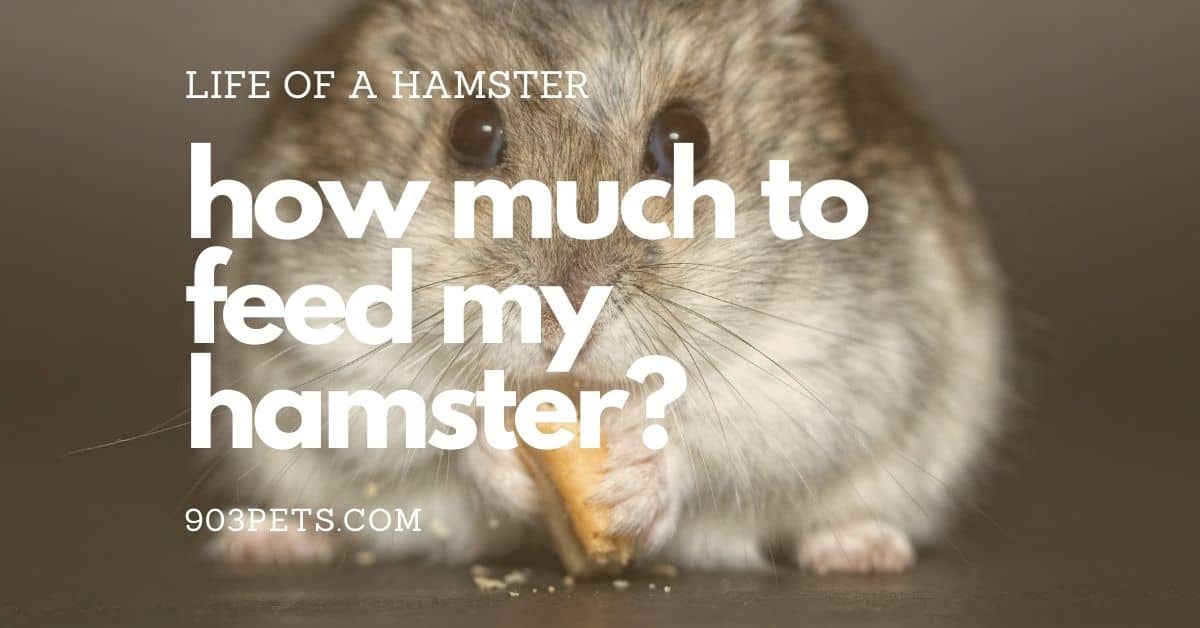
How much banana to give your hamster
| Hamster type | Portion size | Frequency |
|---|---|---|
| Syrian | 1/4 teaspoon (fingernail-sized piece) | 1-2 times per week |
| Dwarf (Roborovski, Winter White) | Half the Syrian portion | Once per week max |
| Campbell’s Dwarf | Avoid or give a tiny taste rarely | Once every 2 weeks at most |
Campbell’s dwarf hamsters are especially prone to diabetes, so I’d honestly skip banana for them entirely and stick with lower-sugar options.
How to prepare banana for your hamster
- Cut a small piece (about 1/4 inch cube for Syrians, smaller for dwarfs).
- Remove the peel. While banana peel isn’t toxic, it may have pesticide residue and most hamsters won’t eat it anyway.
- Place it in their food bowl or hand-feed it.
- Remove any uneaten banana after a few hours. It browns quickly and can attract fruit flies.
One thing I’ve learned: hamsters love to hoard food in their cheek pouches and stash it in their bedding. Banana gets sticky and gross fast. Check their favorite hiding spots and remove old banana pieces before they turn into a moldy mess.
Can hamsters eat dried banana chips?
I’d skip them. Most commercial banana chips are fried and coated in sugar or honey. Even the “natural” ones have concentrated sugar because the water has been removed. If you want to give banana, fresh is always better.
Complete safe fruit list for hamsters
Banana isn’t the only fruit option. Here’s a full list of fruits your hamster can eat, with portion guidelines. Remember, fruit should be a treat, not a staple. Total fruit and veggie treats shouldn’t exceed about 10% of your hamster’s diet. For more on portion sizes and daily feeding amounts, see our guide on how much food and water hamsters need.
| Fruit | Safe? | Portion | Notes |
|---|---|---|---|
| Apple (no seeds) | Yes | Small cube, 2x/week | Remove seeds, they contain cyanide compounds |
| Banana | Yes | Fingernail piece, 1-2x/week | High sugar, limit for dwarfs |
| Blueberry | Yes | 1-2 berries, 2x/week | Good option, lower sugar than many fruits |
| Strawberry | Yes | Small slice, 2x/week | Remove the green top |
| Raspberry | Yes | 1 berry, 2x/week | Can stain bedding |
| Pear (no seeds) | Yes | Small cube, 2x/week | Remove seeds |
| Peach (no pit) | Yes | Small cube, 1-2x/week | Remove pit and skin |
| Watermelon | Yes | Tiny piece, 1x/week | Very watery, can cause diarrhea if too much |
| Cantaloupe | Yes | Small cube, 1-2x/week | Remove rind and seeds |
| Mango | Yes | Small cube, 1x/week | High sugar, treat sparingly |
| Grape (seedless) | Yes | 1/4 grape, 1x/week | Cut in half to prevent choking |
| Cranberry | Yes | 1 berry, 1-2x/week | Fresh only, not dried sweetened |
| Kiwi | Yes | Small piece, 1x/week | Acidic, don’t overdo it |
| Blackberry | Yes | 1 berry, 2x/week | Similar to raspberry |
| Cherry (no pit) | Yes | 1/2 cherry, 1x/week | Always remove the pit |
Fruits to avoid
Some fruits are unsafe or too risky for hamsters:
- Citrus fruits (oranges, lemons, limes, grapefruit). Too acidic. Can cause digestive upset and mouth sores.
- Pineapple. Also very acidic.
- Apple seeds, cherry pits, peach pits. Contain amygdalin, which breaks down into cyanide. Always remove seeds and pits.
- Avocado. Toxic to hamsters. Never feed this.
- Rhubarb. Toxic. Avoid completely.
- Star fruit. Contains compounds that can cause kidney damage in small animals.
Common mistakes with feeding fruit
In my experience, these are the mistakes I see most often:
- Giving fruit every day. Fruit is a treat, not a daily food. 2-3 times per week is plenty. The rest of the diet should be pellets, seeds, and vegetables.
- Not removing uneaten fruit. Fresh fruit rots fast in a warm cage. Check for stashed fruit every day or two.
- Feeding too large a portion. Your hamster will happily eat a whole strawberry. That doesn’t mean they should. Think fingernail-sized pieces.
- Mixing multiple fruits at once. Give one type of fruit per serving. This way, if your hamster has a bad reaction (diarrhea, soft stool), you know exactly which fruit caused it.
- Ignoring breed differences. A Syrian can handle slightly more sugar than a Campbell’s dwarf. What’s fine for one breed can cause problems for another.
- Using fruit as the main treat for training. Tiny pieces of plain cooked chicken, boiled egg, or a sunflower seed work just as well and are healthier for daily training rewards.
Signs your hamster ate too much fruit
Watch for these after introducing any new fruit:
- Soft or watery stool (diarrhea)
- Bloating or a distended belly
- Loss of appetite for regular food
- Excessive thirst
- Lethargy
If you see diarrhea that lasts more than a day, stop all fresh foods and see a vet. Dehydration from diarrhea can kill a small hamster in 24-48 hours.
What I wish I knew about hamster treats
When I started keeping hamsters, I gave treats way too often because they were so excited to eat them. That cute little face stuffing banana into its cheeks is hard to resist. But I’ve had a hamster get noticeably overweight from too many treats, and an overweight hamster is at risk for a shorter life.
The best approach I’ve found: pick 2-3 days a week as “treat days” and stick to a single small piece of fruit or veggie. The other days, their regular food mix is enough. If you want to give them something special on non-treat days, a single sunflower seed or a tiny bit of plain oat works well.
For a well-balanced hamster diet that doesn’t rely too much on treats, a quality seed mix and pellet combo goes a long way: find hamster food options here.
Understanding why your hamster behaves certain ways around food (like hoarding, guarding, or biting when you reach near their stash) can help you manage treat time better. Our hamster behavior guide breaks all of that down.
If you think your pet is ill, call a vet immediately. All health-related questions should be referred to your veterinarian. They can examine your pet, understand its health history, and make well informed recommendations for your pet.
903pets.com Staff