- The Case for "Grapes Are Fine in Moderation"
- The Case for "Skip Grapes, Choose Something Else"
- My Recommendation
- If You Do Feed Grapes: Safety Guidelines
- The Dwarf Hamster Diabetes Factor
- Better Alternatives to Grapes
- Best Low-Sugar Options
- Moderate Options (Fine for Syrians, Careful with Dwarfs)
- Signs of Sugar Overload in Hamsters
- The Bottom Line on Grapes
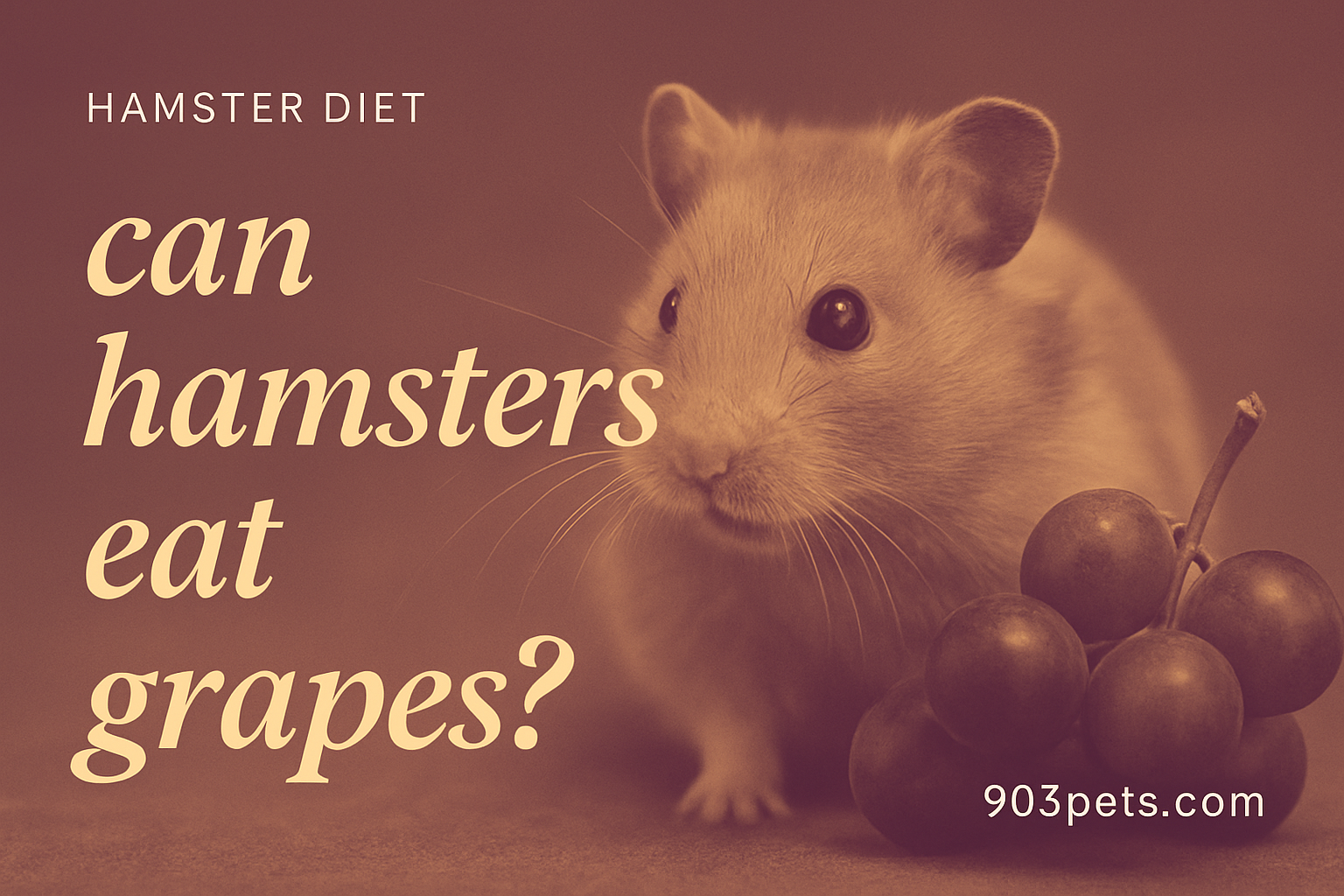
The grape question is one of the most debated topics in hamster care forums, and honestly, there isn’t a clear-cut answer backed by solid research. That’s frustrating, I know. You just want someone to tell you yes or no.
Here’s where I’ll land: grapes are not definitively toxic to hamsters the way they are to dogs. But they’re so high in sugar and the safety data is so thin that I think there are better treat options. Let me explain both sides so you can make your own informed decision.
The Case for “Grapes Are Fine in Moderation”
Many hamster owners and some exotic pet care resources say grapes are safe as an occasional treat. Their reasoning:
- No documented cases of grape toxicity specifically in hamsters. The well-known grape/raisin toxicity applies to dogs (and possibly cats and ferrets), but no research has confirmed this extends to rodents.
- Hamsters in laboratory settings have been fed grape-derived compounds (resveratrol, grape seed extract) in studies without reported toxicity issues.
- Wild hamsters eat fruit when available, including wild grapes in some regions. Their digestive systems can handle fruit sugars in small amounts.
- Many owners report feeding grapes occasionally for years without any health problems in their hamsters.
The Case for “Skip Grapes, Choose Something Else”
Other experienced keepers and some veterinary sources recommend avoiding grapes. Their reasoning:
- The toxic compound in grapes that causes kidney failure in dogs has only recently been identified (tartaric acid, according to 2021 research from the ASPCA Animal Poison Control Center). We don’t know if this compound affects hamsters the same way because nobody has studied it in rodents specifically.
- The sugar content is extreme. At 16g of sugar per 100g, grapes are one of the highest-sugar common fruits. Compare that to strawberries (4.9g) or raspberries (4.4g). For a 30-40 gram hamster, even a small grape piece delivers a proportionally massive sugar hit.
- Why take the risk? There are dozens of fruits that are definitively safe for hamsters and lower in sugar. When alternatives exist that are equally enjoyable and carry zero controversy, why gamble on grapes?
- Raisins are especially risky. Dried grapes concentrate the sugar and any potential harmful compounds. If grapes are questionable, raisins are a definite no.
My Recommendation
I lean toward the “skip grapes” camp, not because I’m convinced they’re toxic, but because the risk-benefit math doesn’t work out. Your hamster doesn’t know or care that it’s eating a grape versus a blueberry. Both are sweet treats that it will enjoy. But one carries zero controversy and lower sugar, and the other sits in a grey zone.
If you’ve already been feeding your hamster grapes occasionally without problems, don’t panic. Your hamster is probably fine. But if you’re looking for guidance going forward, I’d suggest switching to safer fruit options.
If You Do Feed Grapes: Safety Guidelines
If you decide to offer grapes despite the uncertainty, follow these strict guidelines:
| Species | Maximum Portion | Maximum Frequency |
|---|---|---|
| Syrian hamster | 1/4 of a small grape | Once every 2 weeks |
| Campbell’s dwarf | Not recommended | N/A (diabetes risk + sugar content) |
| Winter white dwarf | A tiny sliver | Once a month at most |
| Roborovski | Not recommended | N/A (too small, too much sugar proportionally) |
| Chinese hamster | Not recommended | N/A (diabetes-prone species) |
Preparation rules:
- Wash the grape thoroughly (grapes are heavily treated with pesticides)
- Cut it into a small piece. Never give a whole grape.
- Remove any seeds (seedless grapes are safer and easier)
- Peel the skin if possible. The skin is harder to digest and may concentrate more of whatever compound causes issues in other species.
- Remove uneaten pieces within 2 hours
- Never feed raisins (dried grapes). The concentrated sugar and compounds make them a firm no.
The Dwarf Hamster Diabetes Factor
Regardless of where you stand on grape toxicity, there’s a separate reason to keep grapes away from dwarf hamsters: diabetes.
Campbell’s dwarf hamsters and Chinese hamsters have a well-documented genetic predisposition to diabetes mellitus. High-sugar foods accelerate the onset and progression of this condition. At 16g of sugar per 100g, grapes deliver more sugar per gram than almost any other whole fruit you could offer.
For context, here’s how common hamster fruit treats compare on sugar:
| Fruit | Sugar per 100g | Relative Risk for Dwarf Hamsters |
|---|---|---|
| Raspberry | 4.4g | Lowest risk |
| Strawberry | 4.9g | Low risk |
| Blackberry | 4.9g | Low risk |
| Watermelon | 6.2g | Low-moderate |
| Blueberry | 10.0g | Moderate |
| Apple | 10.4g | Moderate |
| Banana | 12.2g | Moderate-high |
| Grape | 16.0g | High risk |
| Mango | 13.7g | High risk |
If you have a dwarf hamster, stick to fruits in the top half of that table. Raspberries, strawberries, and blackberries give your hamster the sweet treat experience with a fraction of the sugar load.
For more on what hamsters can and should eat, our complete hamster diet guide breaks it all down.
Better Alternatives to Grapes
If you’re putting grapes aside, here are excellent fruit alternatives that your hamster will enjoy just as much:
Best Low-Sugar Options
- Strawberry: 4.9g sugar/100g. Juicy, aromatic, and most hamsters love them. Our safe fruit guide has full details.
- Raspberry: 4.4g sugar/100g. Lowest sugar of common berries. High in fiber.
- Blackberry: 4.9g sugar/100g. Nutritious and safe. Seeds are fine.
- Cucumber: Technically a fruit. 1.7g sugar/100g. Hydrating and extremely low risk. Great for dwarf hamsters.
Moderate Options (Fine for Syrians, Careful with Dwarfs)
- Blueberry: 10g sugar/100g. Convenient size, antioxidant-rich.
- Apple (no seeds): 10.4g sugar/100g. Crunchy, satisfying. Apple seeds contain amygdalin, so always remove them.
- Banana: 12.2g sugar/100g. Soft, sweet, easy to portion. Very small amounts for dwarfs.
Signs of Sugar Overload in Hamsters
Whether it’s from grapes or any other high-sugar food, watch for these signs that your hamster is getting too much sugar:
- Excessive drinking and urination (earliest sign of blood sugar issues)
- Weight gain beyond what’s normal for the species
- Soft or runny stools after eating fruit (digestive upset from sugar)
- Hyperactivity followed by lethargy (sugar spike and crash)
- Refusing regular food in favor of waiting for sweet treats
If you notice excessive drinking and urination, especially in a dwarf hamster, cut all sugary foods immediately and consult an exotic vet. These are potential diabetes symptoms.
For guidance on how much food and water your hamster should be consuming, check our article on hamster food and water amounts.
The Bottom Line on Grapes
Grapes probably won’t harm your Syrian hamster if you offer a tiny piece once in a while. But “probably” is doing a lot of work in that sentence. We don’t have definitive research confirming their safety in hamsters, the sugar content is among the highest of any fruit, and there are plenty of alternatives that are both safer and lower in sugar.
For Syrian hamsters: if you want to feed grapes, keep portions tiny and infrequent. A quarter of a small grape, once every couple of weeks, peeled and seedless.
For dwarf hamsters: skip grapes entirely. The diabetes risk combined with the extreme sugar content makes them a bad choice regardless of the toxicity question. Choose raspberries, strawberries, or blackberries instead.
For all hamsters: never feed raisins. They concentrate every concern about grapes into a smaller, more sugary package.
Your hamster trusts you to make good food choices on its behalf. When in doubt, choose the option that carries the least risk. Your hamster won’t miss grapes when it has a juicy strawberry in its paws instead.
If you think your pet is ill, call a vet immediately. All health-related questions should be referred to your veterinarian. They can examine your pet, understand its health history, and make well informed recommendations for your pet.
903pets.com Staff