- Nutritional Benefits of Strawberries for Hamsters
- How Much Strawberry Can a Hamster Eat?
- Why Dwarf Hamsters Get Less
- How to Prepare Strawberries for Your Hamster
- The Complete Berry Safety Guide for Hamsters
- Blueberries: The Other Great Option
- Raspberries: The Low-Sugar Winner
- Blackberries: Similar to Strawberries
- Cranberries: Proceed with Caution
- Fruits to Avoid or Limit
- How Fruit Fits into a Hamster's Diet
- Introducing Strawberries for the First Time
- Final Thoughts
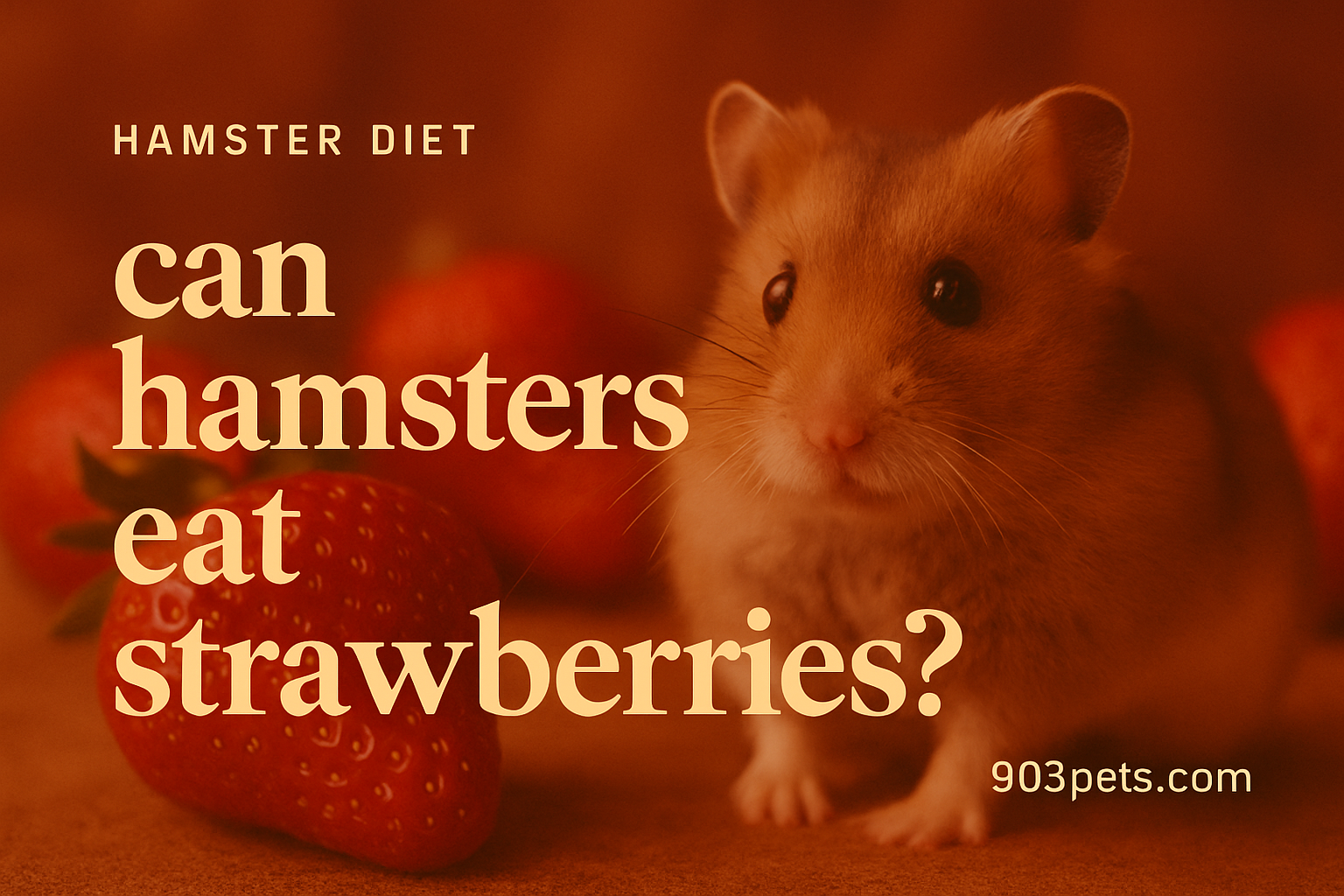
Strawberries are one of the safest fruits you can offer your hamster, and chances are good your hamster will go absolutely crazy for them. That sweet, juicy smell hits their nose and suddenly you’re their favorite person.
But like all fruits, strawberries come with some guidelines. The sugar content means portions need to be controlled, especially for dwarf hamster species that are prone to diabetes. And there are a few prep steps you shouldn’t skip.
Let’s cover everything: how much to feed, how often, how to prepare strawberries, and then I’ll walk through every common berry so you have a complete berry safety reference.
Nutritional Benefits of Strawberries for Hamsters
Strawberries aren’t just a tasty treat. They actually offer some real nutritional value in small amounts:
| Nutrient | Amount (per 100g) | Benefit for Hamsters |
|---|---|---|
| Vitamin C | 58.8 mg | Immune support (hamsters produce their own vitamin C, but a boost doesn’t hurt) |
| Fiber | 2.0 g | Supports healthy digestion |
| Water content | 91% | Hydration boost |
| Manganese | 0.39 mg | Bone health, metabolism |
| Potassium | 153 mg | Heart and muscle function |
| Sugar | 4.9 g | Energy (but also why portions matter) |
Compared to many fruits, strawberries are actually on the lower end for sugar content. Bananas have about 12g of sugar per 100g. Grapes have around 16g. Strawberries at 4.9g are one of the more hamster-friendly fruits in terms of sugar load.
How Much Strawberry Can a Hamster Eat?
Portion size depends on your hamster’s species:
| Species | Portion Size | Frequency |
|---|---|---|
| Syrian hamster | 1/4 of a medium strawberry (about a 1-inch cube) | 1-2 times per week |
| Campbell’s dwarf | 1/8 of a strawberry (a small sliver) | Once per week maximum |
| Winter white dwarf | 1/8 of a strawberry | Once per week maximum |
| Roborovski dwarf | A tiny piece (pea-sized) | Once per week maximum |
| Chinese hamster | 1/8 of a strawberry | Once per week maximum |
A good visual rule: the piece should be about the size of your hamster’s ear. If you’re not sure, err on the smaller side. You can always give more next time, but you can’t un-give a too-large portion.
Why Dwarf Hamsters Get Less
Campbell’s dwarf hamsters and Chinese hamsters are genetically prone to diabetes. This isn’t a myth or an exaggeration. Research has documented that Campbell’s dwarf hamsters have a hereditary predisposition to developing diabetes mellitus, and high-sugar diets accelerate its onset.
This doesn’t mean dwarf hamsters can never have fruit. It means fruit treats should be small, infrequent, and always offered alongside their regular balanced diet, not as a replacement for it.
Signs of diabetes in hamsters include excessive drinking, excessive urination, weight loss despite eating, and lethargy. If you notice these symptoms, see an exotic vet.
How to Prepare Strawberries for Your Hamster
- Wash thoroughly. Even organic strawberries should be rinsed under running water. Strawberries consistently rank among the most pesticide-contaminated fruits, so washing is important.
- Remove the stem, leaves, and calyx (the green leafy top). While strawberry leaves aren’t toxic to hamsters, they can be tough and aren’t particularly nutritious. Better to just offer the fruit.
- Cut to the appropriate size. A whole strawberry is way too much for any hamster. Cut a small piece appropriate for your hamster’s species.
- Serve at room temperature. Cold fruit straight from the fridge can cause digestive upset. Let it sit for 10-15 minutes first.
- Remove uneaten portions within 2-3 hours. Fresh fruit spoils quickly and can grow mold in your hamster’s food stash. Check the cage for hoarded fruit pieces too.
That last point is important. Hamsters are hoarders by nature. Your hamster may pouch the strawberry and stash it in its nest instead of eating it right away. Check bedding and hideouts for hidden fruit pieces, especially during cage cleaning days.
The Complete Berry Safety Guide for Hamsters
Since you’re here about strawberries, you probably want to know about other berries too. Here’s the full breakdown:
| Berry | Safe? | Portion Size (Syrian) | Sugar per 100g | Notes |
|---|---|---|---|---|
| Strawberry | Yes | 1/4 berry | 4.9g | Low sugar, high vitamin C. Great choice. |
| Blueberry | Yes | 1-2 berries | 10g | Higher sugar than strawberries. Rich in antioxidants. |
| Raspberry | Yes | 1/2 berry | 4.4g | Low sugar, high fiber. Excellent choice. |
| Blackberry | Yes | 1/2 berry | 4.9g | Similar to strawberry in sugar. Seeds are fine. |
| Cranberry | Yes (fresh only) | 1/4 berry | 4.0g | Very tart. Most hamsters don’t love them. NEVER feed dried/sweetened cranberries. |
| Gooseberry | Yes | 1/4 berry | 6.2g | Not commonly available but safe if you find them. |
| Mulberry | Yes | 1 berry | 8.1g | Moderate sugar. Messy but safe. |
| Acai berry | Not recommended | N/A | N/A | Typically available processed/sweetened. Not worth the risk. |
| Goji berry (dried) | No | N/A | 45.6g (dried) | Way too high in sugar when dried. Avoid. |
Blueberries: The Other Great Option
Blueberries are probably the most convenient berry treat for hamsters. They’re the perfect size (one or two berries is a complete serving), they’re not messy, and hamsters love holding them in their paws while they eat. The sugar content is higher than strawberries or raspberries, so stick to 1-2 berries per serving for Syrians and just one for dwarfs.
Raspberries: The Low-Sugar Winner
Raspberries have the lowest sugar content of common berries at just 4.4g per 100g, plus they’re packed with fiber. If you’re looking for the “healthiest” berry treat for your hamster, raspberries are a solid pick. They’re fragile and spoil fast, so feed them fresh and remove uneaten pieces promptly.
Blackberries: Similar to Strawberries
Blackberries are nutritionally very similar to strawberries, with comparable sugar and good fiber content. The tiny seeds are perfectly fine for hamsters. Cut a blackberry in half for Syrians, and offer a smaller piece for dwarfs.
Cranberries: Proceed with Caution
Fresh cranberries are technically safe, but most hamsters won’t touch them because they’re so tart. If your hamster happens to like them, a small piece once a week is fine. But here’s the critical warning: dried cranberries (Craisins) are NOT safe. They’re loaded with added sugar and sometimes coated in oil. This applies to most dried fruits. If it comes in a bag from the snack aisle, don’t feed it to your hamster.
Fruits to Avoid or Limit
While we’re talking about fruit safety, let’s cover some common ones that cause confusion:
- Citrus fruits (oranges, lemons, limes): Too acidic. Can cause digestive upset and mouth sores. Avoid.
- Grapes: Controversial. Some sources say they’re fine in small amounts; others recommend avoiding them due to potential kidney concerns. If you do offer grapes, keep portions tiny and infrequent.
- Dried fruits: Almost all commercial dried fruits have added sugar and preservatives. Avoid them. If you dehydrate fruit at home with no additives, tiny amounts are okay but still very sugar-dense.
- Canned fruit: Always packed in syrup or juice with added sugar. Never feed canned fruit to hamsters.
For a broader guide to safe fruits, check out our article on hamster-safe fruits including bananas. And for vegetables, we have a complete vegetable guide that covers what’s safe and what to avoid.
How Fruit Fits into a Hamster’s Diet
Fruit should be a treat, not a staple. Here’s how a balanced hamster diet breaks down:
| Food Type | Percentage of Diet | Examples |
|---|---|---|
| Quality seed mix or pellets | 75-80% | Commercial hamster food (not “gourmet” mixes with too many sugary additions) |
| Fresh vegetables | 10-15% | Broccoli, cucumber, carrot, bell pepper, spinach (in moderation) |
| Fresh fruits | 5% or less | Strawberry, blueberry, raspberry, apple (no seeds), banana |
| Protein | 5-10% | Mealworms, plain cooked chicken, boiled egg, tofu |
For the full picture on balanced hamster nutrition, our complete hamster diet guide covers everything you need to know.
Introducing Strawberries for the First Time
If your hamster has never had strawberry before, introduce it gradually:
- Start with a piece half the size of the recommended portion
- Watch for any digestive issues over the next 24 hours (soft stools, diarrhea, bloating)
- If everything looks normal, you can offer the full portion next time
- Don’t introduce strawberries the same week you introduce another new food. One new food at a time makes it easy to identify what caused a problem if one arises.
Most hamsters tolerate strawberries without any issues. But every hamster is an individual, and some may have sensitive stomachs. If you notice loose stools after feeding strawberry, skip it next time and try a different fruit.
Final Thoughts
Strawberries are one of the safest and most nutritious fruit treats you can offer your hamster. Low in sugar compared to most fruits, high in vitamin C and fiber, and universally loved by hamsters of all species.
Just remember the basics: small portions, once or twice a week, wash thoroughly, remove uneaten pieces, and be extra conservative with dwarf hamster species. Follow those rules and strawberry time will be the highlight of your hamster’s week.
If you think your pet is ill, call a vet immediately. All health-related questions should be referred to your veterinarian. They can examine your pet, understand its health history, and make well informed recommendations for your pet.
903pets.com Staff