
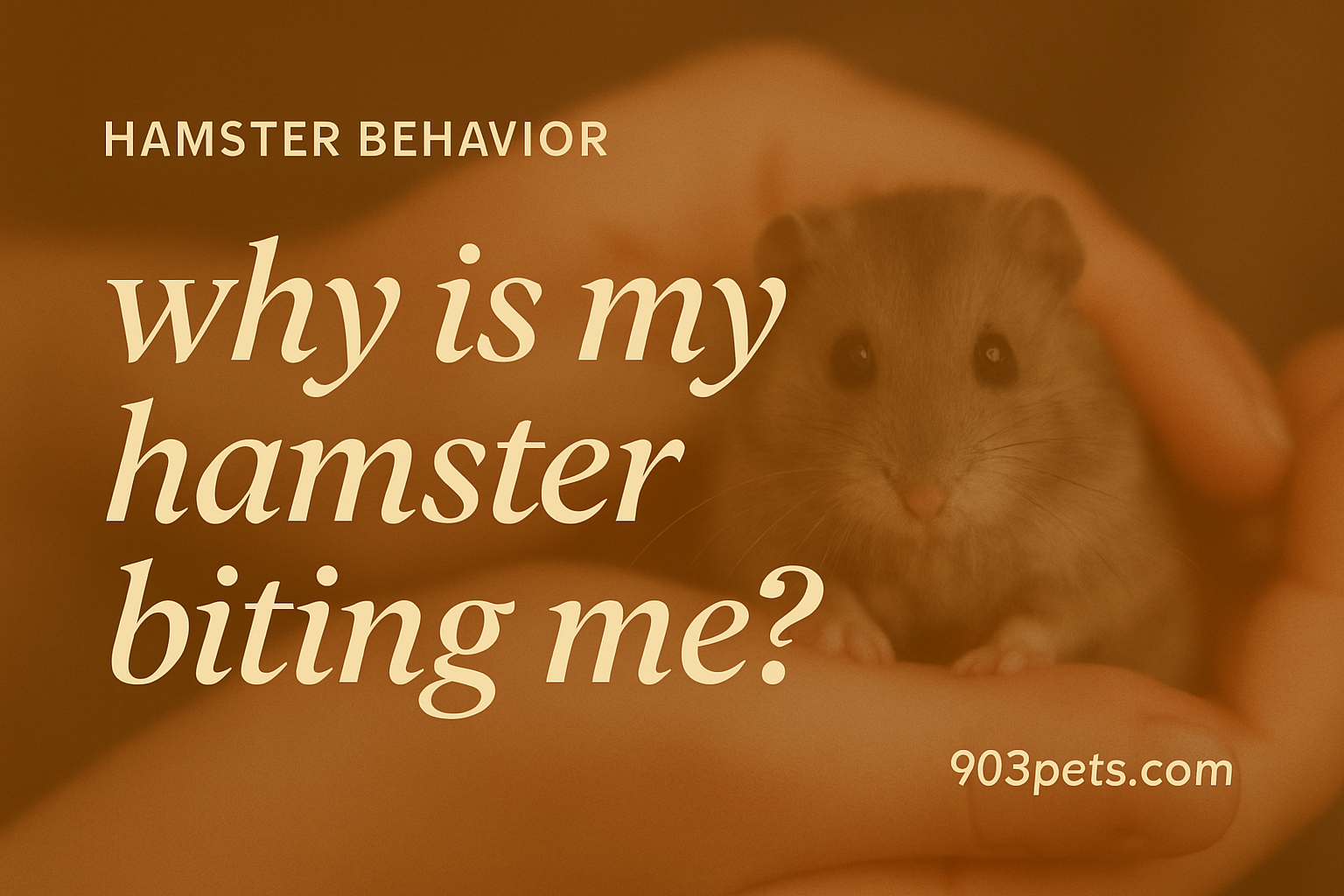
Getting bitten by your hamster hurts. Those tiny teeth are sharp, and a good chomp from a Syrian can actually draw blood. But before you decide your hamster is mean, know this: hamsters almost never bite out of pure aggression. There’s always a reason, and once you understand it, you can fix it.
- 7 reasons your hamster is biting
- 1. Your hamster is scared
- 2. Your hands smell like food
- 3. You woke them up
- 4. Cage aggression (territorial biting)
- 5. Your hamster is stressed
- 6. Illness or pain
- 7. New environment adjustment
- How to tame a biting hamster (step by step)
- What to do when your hamster bites
- What I wish I knew about hamster biting
- When to worry
7 reasons your hamster is biting
1. Your hamster is scared
This is the number one reason, especially with new hamsters. You’re a giant reaching into their space. They can’t see well (hamster eyesight is terrible), so they rely on smell and sound. If you’re moving fast or coming from above, you look like a predator to them.
The fix: Approach slowly. Talk to your hamster before reaching in so they know you’re coming. Let them sniff your hand before you try to pick them up. Never grab from above. Instead, scoop from below or let them walk onto your hand. This takes patience, sometimes a week or more before a scared hamster trusts you enough.
2. Your hands smell like food
This one catches people off guard. If you just handled food, snacks, or even used scented hand lotion, your hamster might bite thinking your finger is something edible. They explore with their mouths. A “taste bite” from food confusion is usually lighter than a fear bite, but it still hurts.
The fix: Wash your hands with unscented soap before handling your hamster. Every time. This is especially important if you’ve been eating, cooking, or handling other animals.
3. You woke them up
Hamsters are crepuscular and nocturnal. They’re most active at dawn and dusk. If you reach into the cage and shake them awake at 2 PM, you’re going to get bitten. I’ve done this exactly once. Won’t do it again.
The fix: Handle your hamster in the evening when they’re naturally awake and active. If you need to wake them (cage cleaning, for example), do it gently. Place your hand in the cage and let the vibration and scent wake them gradually. Give them a few minutes to fully wake up before trying to handle them.
4. Cage aggression (territorial biting)
Some hamsters are perfectly sweet once they’re out of the cage but will bite any hand that enters their enclosure. This is territorial behavior. The cage is their home, their safe space, and your hand is an intruder.
The fix: Instead of reaching in to grab your hamster, try luring them into a cup or onto a platform and lift them out. Once they’re on neutral territory (your lap, a playpen, the couch), they’re often a completely different animal. Over time, cage aggression usually decreases as your hamster gets used to your scent being part of their environment. Choosing the right cage setup helps too. Read our guide on how to choose a hamster home for tips on reducing territorial stress.
5. Your hamster is stressed
Stress biting happens when something in the environment is wrong. Common stressors include:
- Cage is too small (under 450 square inches of floor space)
- No hiding spots or only one hide
- Cage is in a noisy, high-traffic area
- Bright lights during sleep hours
- Other pets (cats, dogs) lurking near the cage
- Recent cage change or deep clean that removed all familiar scents
The fix: Address the stressor. Give them more space, more hides, a quieter location. When you clean the cage, leave a handful of old bedding so they still have their scent. Our hamster behavior guide goes deeper into stress signals to watch for.
6. Illness or pain
A hamster that suddenly starts biting when it never did before might be sick or in pain. Animals hide illness well, and biting when touched can be a sign that something hurts. Common culprits include dental problems (overgrown teeth), skin irritation, internal issues, or injuries you can’t see.
The fix: If your normally gentle hamster starts biting out of nowhere, especially if combined with other changes (weight loss, lethargy, fur loss, hunched posture), get them to an exotic vet. Don’t assume it’s a behavior problem.
7. New environment adjustment
Just brought your hamster home? Expect some biting for the first week or two. Everything is new, scary, and unfamiliar. The car ride, the new smells, the different cage, your hands, all of it is overwhelming.
The fix: Leave your new hamster alone for the first 3-5 days. Seriously. No handling. Let them explore their cage, build a nest, establish a routine. After that, start with hand-in-cage sessions where you just rest your hand inside without trying to pick them up. Let them come to you. This process typically takes 1-3 weeks depending on the hamster’s personality.

How to tame a biting hamster (step by step)
If your hamster is biting regularly, here’s the approach that has worked best in my experience:
- Days 1-3: Don’t touch them. Just sit near the cage and talk quietly. Let them get used to your voice and presence.
- Days 4-7: Rest your hand flat inside the cage (palm up) for 5-10 minutes. Don’t move it. Let them sniff, walk over it, even nibble. Don’t pull away if they nibble gently, that’s exploration, not aggression.
- Week 2: Place a treat (sunflower seed, small piece of veggie) on your palm. Let them climb onto your hand to eat. Don’t lift your hand yet.
- Week 3: Once they’re comfortable sitting on your hand, slowly lift your hand an inch off the ground. Keep sessions short, 5 minutes max.
- Week 4+: Gradually increase handling time. Always let them walk onto your hand rather than grabbing.
Learning to read your hamster’s body language during this process is really helpful. Our guide on how to pet a hamster (happy vs unhappy signs) covers exactly what to look for.
Some hamsters tame in a week. Others take a month or more. Roborovski dwarfs in particular may never become “cuddly” and that’s normal for the breed. Syrians tend to tame the fastest.
What to do when your hamster bites
In the moment, here’s what to do (and not do):
- Don’t fling or drop your hamster. I know it’s a reflex. But dropping a hamster from even a small height can break bones or cause internal injuries. Try to keep your hands over a soft surface (bed, couch, or inside the cage).
- Don’t yell or blow on them. This will just make them more scared and more likely to bite next time.
- Gently place them back. Set them down calmly and walk away. Try again later.
- Clean the bite. Hamster bites can get infected. Wash with soap and water, apply antiseptic. If it’s deep or shows signs of infection (redness, swelling, warmth), see a doctor.
If you want gloves as a temporary bridge while taming a nippy hamster, bite-resistant handling gloves can help. Just know that gloves reduce your hamster’s ability to smell you, so they’re a temporary tool, not a long-term solution.
What I wish I knew about hamster biting
- A nibble is not a bite. Light, gentle mouthing is how hamsters explore. It’s very different from a hard, defensive chomp. Learn to tell the difference before you overreact.
- Some hamsters are just nippy. Individual personality matters. I’ve had Syrians that never bit once and others from the same breeder that took weeks to tame. Don’t blame yourself.
- Consistency beats intensity. Five minutes of calm handling every day works better than one 30-minute session per week.
- Bathing makes it worse. If you give your hamster a bath (which you shouldn’t, use a sand bath instead), you’re stripping their scent and they’ll be disoriented and defensive.
- Kids need supervision. Young children tend to squeeze, move fast, and make loud noises. All three trigger bites. An adult should always supervise hamster handling with kids under 8 or so.
When to worry
Normal biting situations resolve with patience and proper taming. But see a vet if:
- A previously tame hamster suddenly becomes aggressive
- Biting is accompanied by other symptoms (wheezing, weight loss, wet tail, fur loss)
- Your hamster seems to bite randomly even when calm and awake
- They’re biting themselves (a sign of skin issues or mites)
Most biting is fear-based and temporary. With a little patience and the right approach, even the nippiest hamster can learn that your hands mean treats, not threats.
If you think your pet is ill, call a vet immediately. All health-related questions should be referred to your veterinarian. They can examine your pet, understand its health history, and make well informed recommendations for your pet.
903pets.com Staff