Most people think pets means dogs and cats. And sure, those are great. But there’s a whole world of amazing, low-maintenance animals that are perfect for kids who are just starting to learn about pet ownership. Some of these will surprise you.
I’ve kept many of these animals myself, and I can tell you that watching a kid discover their first pet snail or jumping spider is something special. These aren’t “lesser” pets. They’re different. And for a lot of families, they’re actually better.
Let’s go through the best beginner pets for kids, starting with the easiest and working our way up. Every animal on this list is manageable for a child with some adult guidance.
Before We Start: The Responsibility Talk
Even the easiest pet on this list is a living creature that depends on your kid for food, water, and a clean home. Before getting any pet, have an honest conversation about what’s involved. Set expectations. Decide who does what.
The whole point of a beginner pet is to teach responsibility in a low-stakes way. An isopod colony is a lot more forgiving than a puppy. But it still needs care.
Woodlice / Pillbugs (Isopods)
Difficulty: 1/10 | Cost: Free-$10 | Lifespan: 2-5 years | Space: Tiny
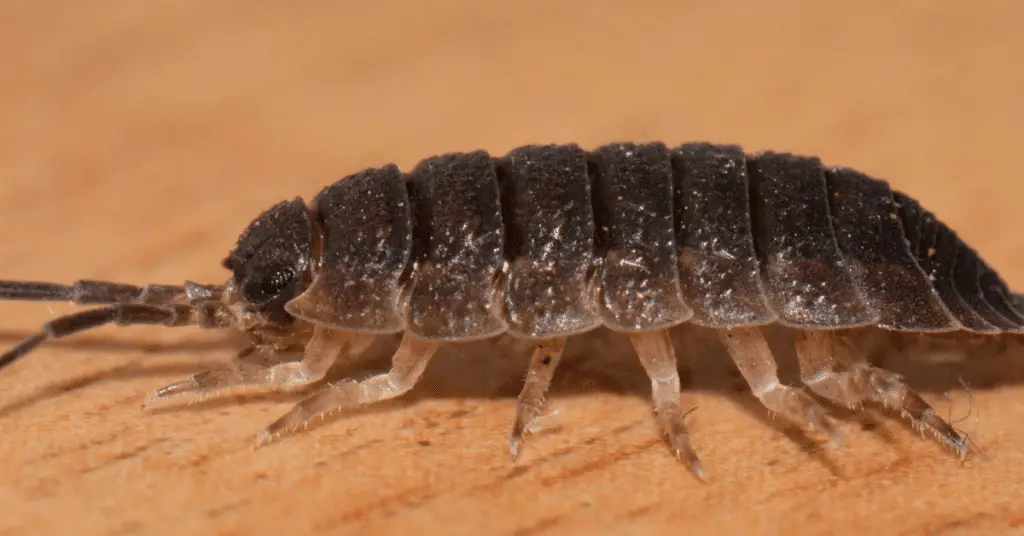
This is the number one easiest pet you can get for a child. Hands down. Pillbugs (also called isopods, roly-polies, or woodlice) are free. Walk outside, lift up a piece of bark or a rock that’s flat on the ground, and you’ll likely find them. Grab 10-12 to start a colony.
Housing is a container with a mesh lid, some soil substrate, a piece of bark for hiding, and occasional misting with water. Feed them crushed dead leaves and the occasional vegetable scrap like cucumber or zucchini.
They breed easily, they’re completely harmless, they’re fascinating to watch, and they teach kids about decomposition and ecology. Perfect first pet.
Snails
Difficulty: 2/10 | Cost: Free-$15 | Lifespan: 5-10 years | Space: Small terrarium
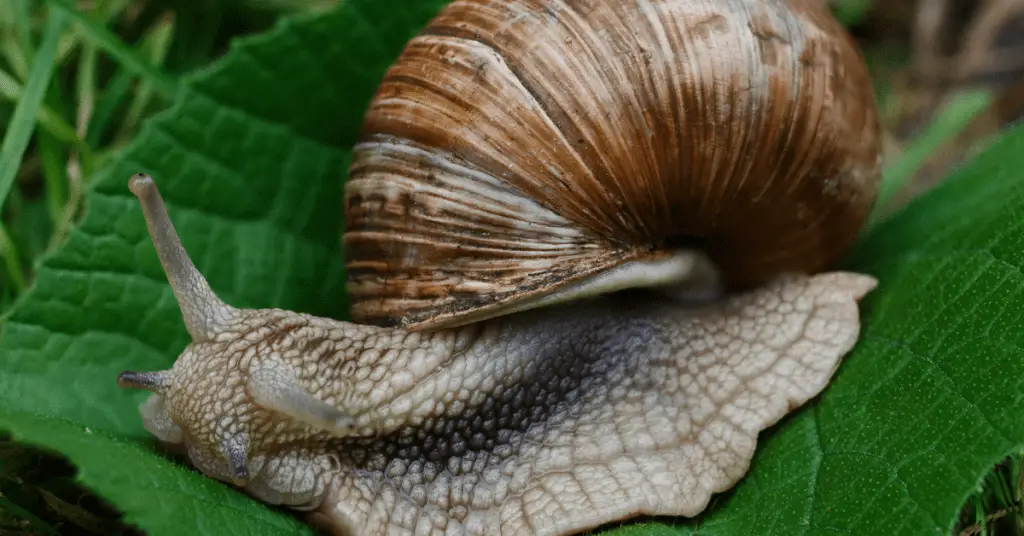
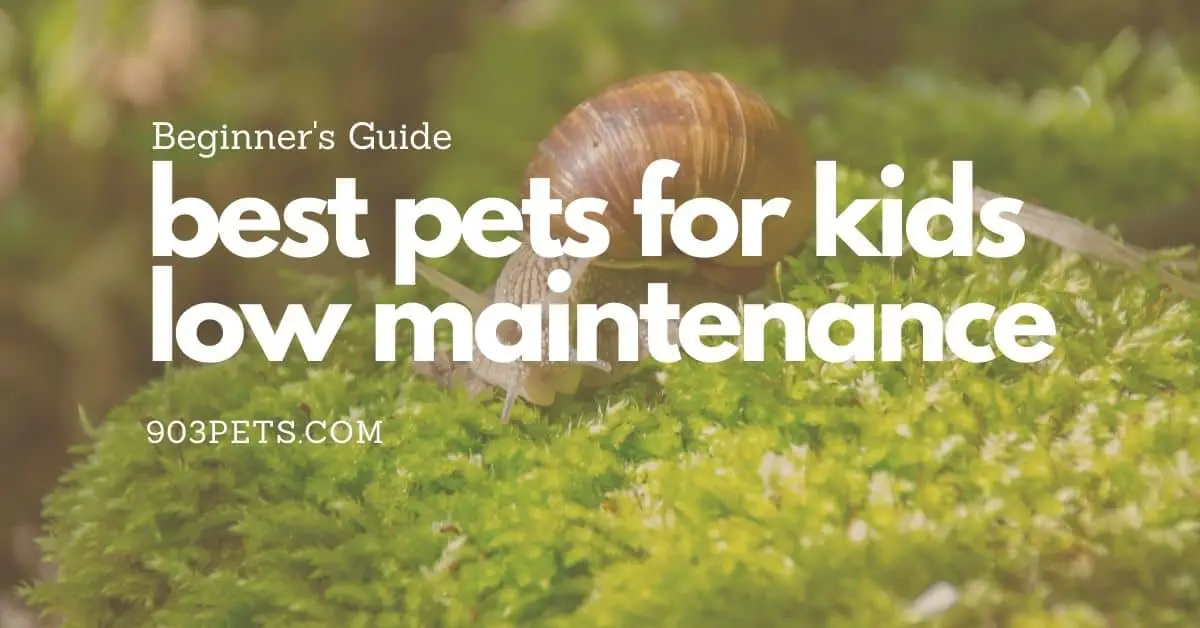
It sounds weird at first, but snails are genuinely fascinating pets. No daily walks. No specific feeding times. No barking at the mailman. They’re peaceful animals that are incredibly fun to observe.
Garden snails can be found in your yard for free. Or you can buy them at pet stores, feed stores, or online. Yes, they ship well.
Snails are mostly active at night, so the best viewing is morning and evening. They eat lettuce, cucumber, and other vegetables. They need a terrarium with soil, some hiding spots, and regular misting to keep humidity up. Keep them out of direct sunlight.
Some species, like the African Giant Land Snail, can live beyond 10 years. That’s a real companion animal for a kid who connects with them.
Want to go deeper? Read our beginner’s guide to pet snail care, find out about the best plants for a snail terrarium, and learn about snail reproduction and egg management. For decorating tips, check our guide to creating a natural snail habitat.
Walking Sticks
Difficulty: 2/10 | Cost: $20-50 | Lifespan: 9-10 months | Space: Small enclosure
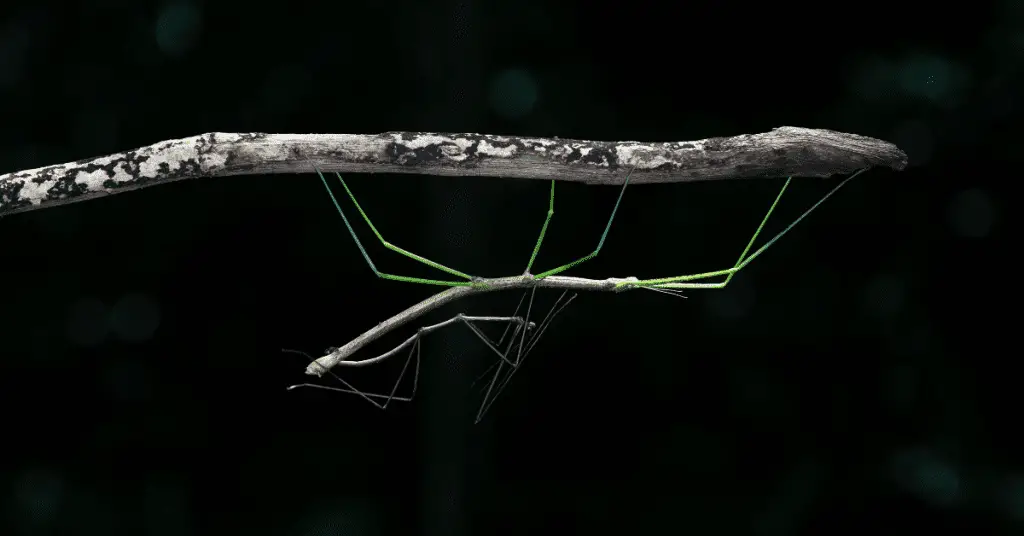
Small, plant-eating, quiet, odor-free. Walking sticks are the invisible pet that’s actually really cool up close. Most species grow to about 5 inches and live about a school year, which actually makes them perfect for a home school science project.
Walking sticks and praying mantis look similar but are very different. Mantids are carnivorous hunters. Walking sticks only eat leaves. They’re the vegetarians of the insect world.
You can buy them from nursery suppliers or online for $20-50 for a small group. Ventilation is critical for the enclosure. Mesh or screened lid, always.
Important: Never release pet walking sticks into the wild. They can become an invasive species in areas where they’re not native.
Jumping Spiders
Difficulty: 2/10 | Cost: $10-30 | Lifespan: 1-3 years | Space: Tiny
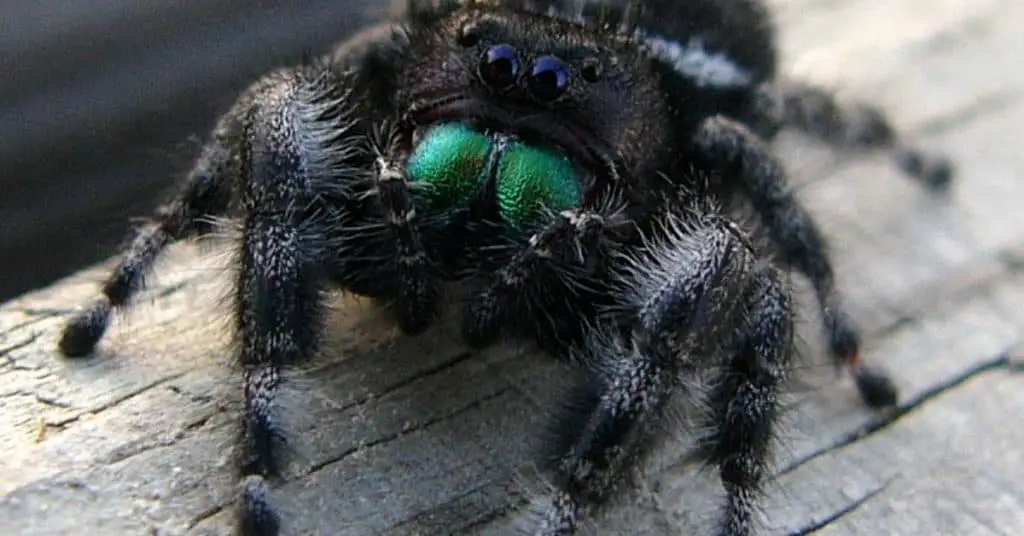
I know what you’re thinking. A spider? For a kid? Hear me out.
Jumping spiders are tiny (4-18mm), completely harmless to humans, and genuinely entertaining to watch. They hunt by sight, stalk their prey, and pounce. They’re the cats of the spider world. And honestly? They’re cute. Those big front eyes are hard to resist.
If your child has any fear of spiders, this is actually the perfect cure. Jumping spiders are so small and so obviously not threatening that most kids get over their arachnophobia fast.
Housing is a small container (about 2 gallons), substrate from outside, some leaves or moss, and a mesh lid. Temperature: 65-85°F. Feed them small insects once or twice a week. Mist lightly for humidity.
Kids can even make decorations from play-dough baked at 320°F for 18 minutes. Crafts AND pet care in one project.
Praying Mantis
Difficulty: 3/10 | Cost: $15-40 | Lifespan: 6-12 months | Space: Small mesh enclosure
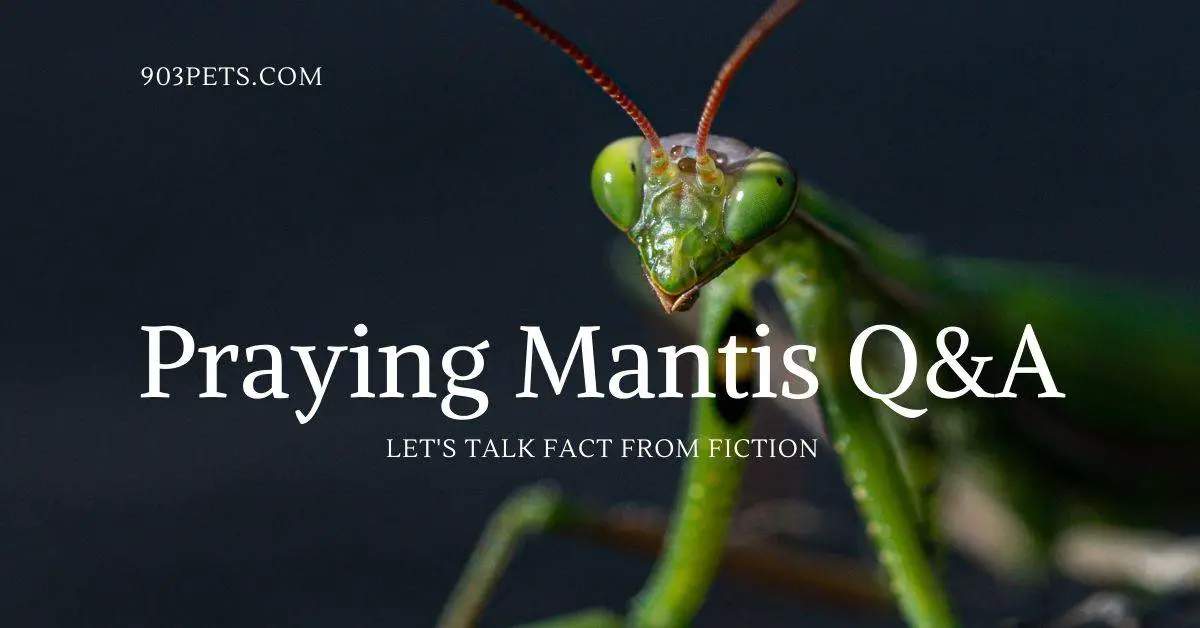
Praying mantises are one of the most fascinating insects you can keep. They’re ambush predators with incredible reflexes and alien-like appearance. Kids are mesmerized by them.
They eat live insects (fruit flies for babies, crickets and flies for adults), which is both the coolest and most educational part. Watching a mantis hunt teaches kids more about nature than any textbook.
Want to get started? Read our guide to whether praying mantis make good pets, then dive into our beginner’s guide to mantis care. For housing, check our praying mantis habitat guide. Interested in specific species? See our flower mantis guide.
Madagascar Hissing Cockroaches
Difficulty: 2/10 | Cost: $5-20 | Lifespan: ~1 year (captivity) | Space: Small
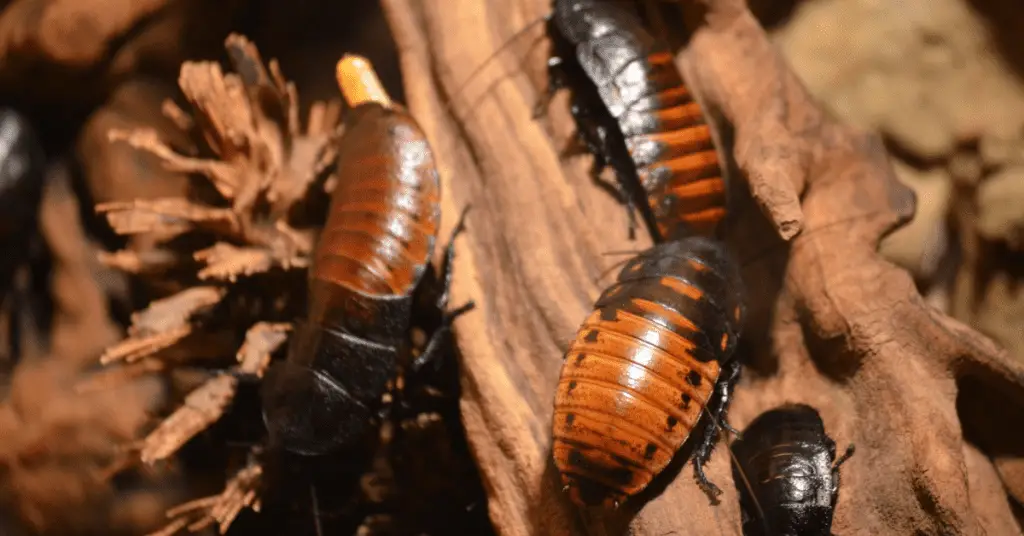
Strange? Yes. Excellent pet? Also yes.
Madagascar hissing cockroaches are large (2-3 inches), slow-moving, and make a distinctive hissing sound when disturbed. They eat almost anything: vegetables, fruits, dog food. Feed every day or two.
They carry no known diseases when kept as pets. They’re not like the cockroaches in your kitchen. These are clean tropical insects that are popular in educational settings. Many science teachers use them for classroom demonstrations.
Temperature: 70-90°F. Humidity: ~50%. An enclosure about 12 inches tall with a secure lid. They can climb glass, so make sure the lid is tight.
Caterpillars
Difficulty: 2/10 | Cost: $10-30 (kits available) | Lifespan: ~12 months (full cycle) | Space: Small

The ultimate temporary pet with a built-in science lesson. Watching a caterpillar eat, form a chrysalis, and emerge as a butterfly is a childhood experience every kid should have.
Monarch butterfly caterpillars are the most popular choice. They only eat milkweed, but you can buy caterpillar + milkweed kits online. Painted lady caterpillar kits are even easier to find.
Housing is simple: an 18″ x 12″ container with a screen top for ventilation. Room temperature (72°F) and moderate humidity work fine. Feed them leafy greens (cabbage butterfly caterpillars) or species-specific host plants.
Warning: Avoid puss caterpillars. They are one of the most venomous caterpillars in the United States and are NOT suitable as pets. Stick to monarch, painted lady, cabbage white, or luna moth caterpillars.
Hermit Crabs
Difficulty: 4/10 | Cost: $15-30 per crab | Lifespan: 10-15+ years (properly cared for) | Space: 20+ gallon tank
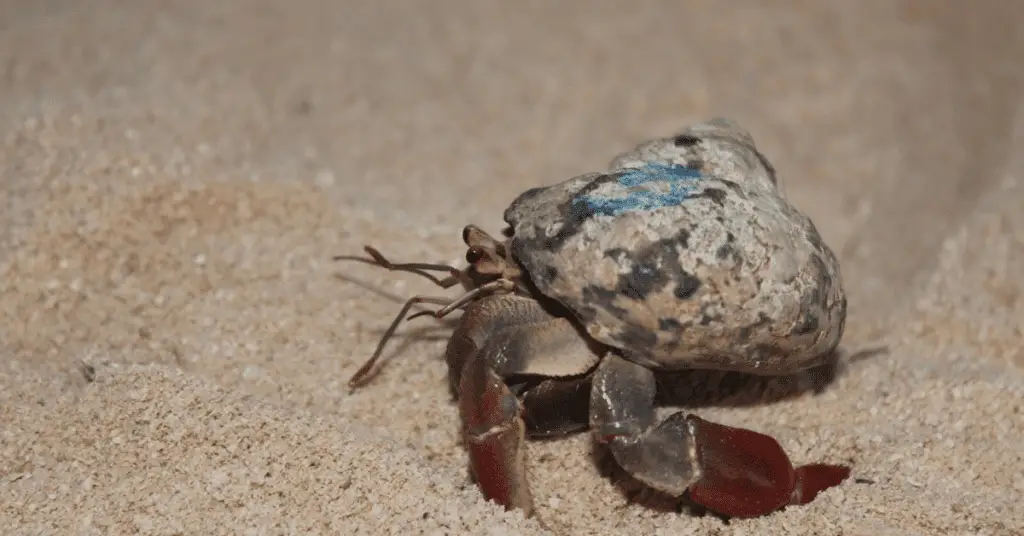
Hermit crabs are a step up in commitment but still manageable for kids with adult help. They’re social animals and should have at least one companion. They can actually learn behaviors like hiding from a flashlight or investigating new objects.
They need a 20+ gallon tank with a sandy substrate, temperature of 78-82°F, moderate humidity, hiding spots (empty shells are essential for molting), and fresh food 1-2 times per week.
Here’s something most people don’t know: properly cared for hermit crabs can live 10-15 years or more. The ones that die within weeks at the boardwalk shop? That’s improper care, not a short lifespan. These are long-term pets.
They’re omnivores. Feed vegetables, fruits (no citrus), occasional protein like crickets or bits of cooked chicken. Avoid processed human foods.
Hamsters
Difficulty: 5/10 | Cost: $15-25 (hamster) + $100-300 (setup) | Lifespan: 2-3 years | Space: 450+ sq. in. cage
Hamsters are the classic small pet for kids, and with good reason. They’re furry, they’re interactive, and they have real personalities. But they require more than most people expect.
A proper hamster setup isn’t cheap. You need a cage with at least 450 square inches of floor space (the cages at the pet store are usually too small), 6+ inches of bedding, a safe wheel, and proper food.
Hamsters are mostly active at night, which means younger kids may not see them much during the day. They also need gentle handling. A stressed hamster will bite. But for kids old enough to be patient and gentle (8+), hamsters are rewarding pets.
We have a huge library of hamster care guides: learn about 13 common hamster behaviors, find out how big different hamster breeds get, and read about how to pet a hamster safely.
Tortoises
Difficulty: 6/10 | Cost: $50-300+ (tortoise) + $200-500 (setup) | Lifespan: 20-100+ years | Space: Large
This is where we move into serious commitment territory. Tortoises are incredible animals, but they are NOT low-maintenance. They need specific lighting (UVB is non-negotiable), temperature gradients, proper substrate, spacious enclosures, and a specialized diet.
The big thing to understand: tortoises live a LONG time. A Russian tortoise can live 40+ years. That’s not a childhood pet. That’s a family member that goes to college with your kid.
For families ready for the commitment, tortoises are endlessly fascinating. They have distinct personalities, they recognize their owners, and watching them explore is genuinely relaxing.
Start with our beginner’s introduction to tortoises, learn about indoor tortoise enclosures, understand tortoise lighting requirements, and get ideas for tortoise enrichment. For fun facts, check out 21 fascinating tortoise statistics. And if you’re in Texas, read about Texas tortoise laws before doing anything.
Best Pets for Kids with Allergies
One of the best things about the pets on this list: most of them are hypoallergenic. No fur means no pet dander, which is the primary trigger for pet allergies.
Great allergy-friendly pets from this list: isopods, snails, walking sticks, jumping spiders, hissing cockroaches, caterpillars, and hermit crabs. No wood shavings needed (which eliminates another common allergen), no barking, no scratching.
Reptiles like tortoises are also generally allergy-friendly, though the substrate and habitat can occasionally cause issues for very sensitive individuals.
If allergies are the main reason you’re considering these pets, they’re an excellent solution that still teaches responsibility and respect for living creatures.
Quick Comparison
| Pet | Difficulty | Cost to Start | Lifespan | Handling | Best Age |
|---|---|---|---|---|---|
| Isopods | 1/10 | Free-$10 | 2-5 years | Gentle observation | 4+ |
| Snails | 2/10 | Free-$15 | 5-10 years | Can hold gently | 5+ |
| Walking Sticks | 2/10 | $20-50 | 9-10 months | Can hold gently | 6+ |
| Jumping Spiders | 2/10 | $10-30 | 1-3 years | Can walk on hands | 6+ |
| Praying Mantis | 3/10 | $15-40 | 6-12 months | Can hold gently | 7+ |
| Hissing Roaches | 2/10 | $5-20 | ~1 year | Can hold | 6+ |
| Caterpillars | 2/10 | $10-30 | Weeks-months | Very gentle | 4+ |
| Hermit Crabs | 4/10 | $50-100 | 10-15+ years | Can hold | 8+ |
| Hamsters | 5/10 | $150-350 | 2-3 years | Interactive | 8+ |
| Tortoises | 6/10 | $250-800 | 20-100+ years | Can handle | 10+ |
The Most Important Thing
Whatever pet you choose, remember that you’re teaching your child about responsibility, empathy, and respect for other living things. Even the “easiest” pet on this list is a real animal that depends on care to survive.
Start easy. Work up to more complex pets as your child demonstrates they can handle the responsibility. There’s nothing wrong with beginning with a pillbug colony and working up to a hamster in a year or two.
The goal isn’t just to have a pet. It’s to raise a kid who understands that caring for another creature is a privilege and a responsibility. Get that right, and you’ve done something way more valuable than just buying an animal.
Explore More Guides on 903Pets
We have detailed care guides for many of the animals on this list. Here’s a quick directory:
Snails: Beginner’s Guide to Snail Care | Best Plants for Snail Terrariums | Snail Reproduction Guide | Snail Terrarium Decor
Praying Mantis: Do Mantis Make Good Pets? | Beginner’s Guide | Habitat Guide | Flower Mantis Guide | Mantis Lifespan | Egg Case Buyer’s Guide
Hamsters: Complete Diet Guide | Cage Buyer’s Guide | Bedding Depth Guide | Wheel Safety Guide | Behaviors Explained
Tortoises: Beginner’s Guide | Indoor Enclosure Guide | Lighting Guide | Enrichment Ideas | 21 Tortoise Facts
Other: Best Insect Pets | Do Rabbits Eat Bugs? | Fruit Fly Culture Recipes (for feeding mantids)
If you think your pet is ill, call a vet immediately. All health-related questions should be referred to your veterinarian. They can examine your pet, understand its health history, and make well informed recommendations for your pet.
903pets.com Staff